
Allice Microfiber Cloths: The Professional Cleaning Revolution Based on Color Code
Forget about halos, bacteria and wasted time. Discover how the color cleaning system with Allice cloths can transform the hygiene of your rooms, ensuring impeccable results and certified safety.
How many times have you found yourself struggling with surfaces that, despite your efforts, remain opaque, full of halos or, worse, never look really clean? Cleaning, both in a domestic context and, even more so, in a professional environment such as a restaurant, office or healthcare facility, is a daily battle. We use detergents, sprays and tools of all kinds, but often the result does not live up to expectations. The problem, much more frequently than you think, does not lie in the detergent, but in the most fundamental weapon in our arsenal: the cloth. A poor quality cloth not only cleans poorly, but it can become a vehicle for the spread of germs and bacteria, turning a sanitization operation into a cross-contamination activity.
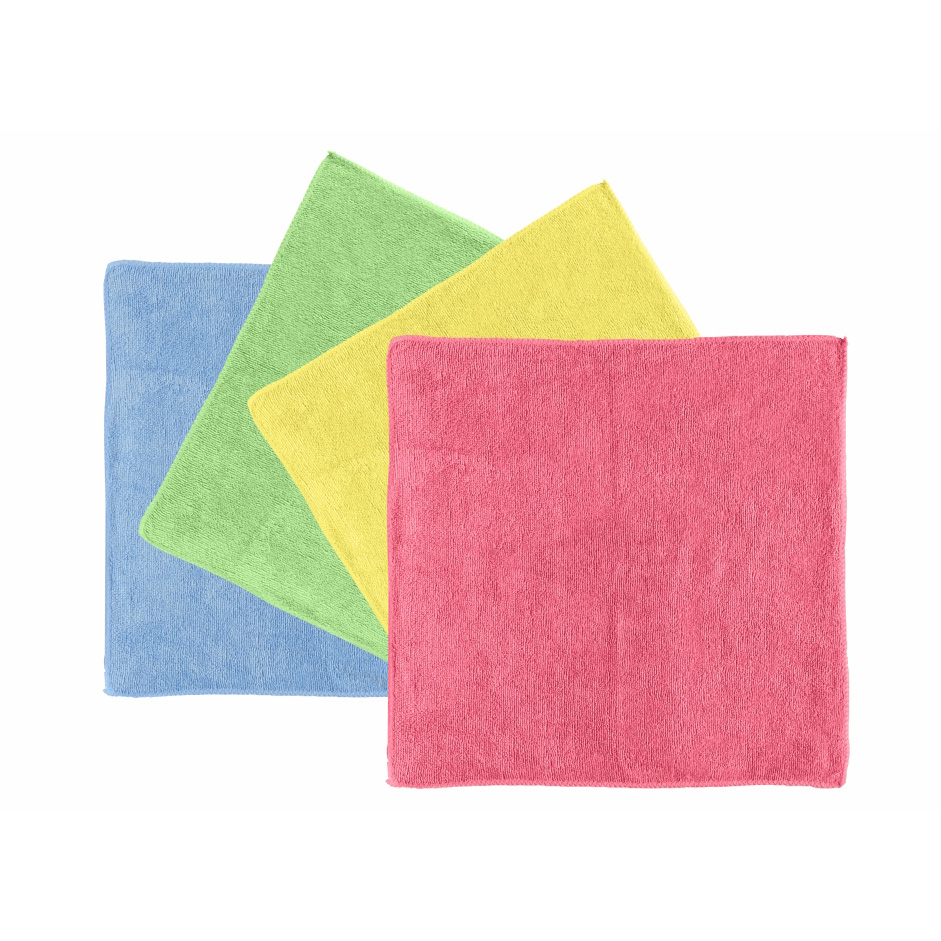
This scenario is a nightmare for anyone running a business, where hygiene standards are not an option, but a legal and moral obligation. HACCP (Hazard Analysis and Critical Control Points) is not just an acronym, but a rigorous system that imposes precise procedures to ensure food safety and healthy environments. In this context, using a single cloth to clean the kitchen counter and then the bathroom sink is not only a bad habit, it is an unacceptable health risk. This is where a solution as simple as it is ingenious comes into play: the color-coded cleaning system, perfectly embodied by the Allice line of multipurpose microfiber cloths. A range of four colors — red, blue, yellow and green — designed to assign each cloth a specific task, eliminating the risk of contamination at the root and taking cleaning efficiency to a higher level.
The Silent Opponent: Why Your Old Cloth Is a Problem
Before discovering the solution, it's crucial to understand the nature of the problem. The 'pain points' linked to inadequate cleaning are numerous and often underestimated, with consequences ranging from image damage to health risks.
Beware of Cross Contamination!
It's the biggest risk. Using the same cloth to clean a toilet and then a handle or a work table means literally transferring colonies of fecal bacteria, such as Escherichia coli, to surfaces that come into contact with people or with food. This error can cause food poisoning and the spread of illness.
- ❌ Poor Aesthetic Results: Traditional or low-quality cotton cloths often release lint, leave marks on glass and steel, and move dirt instead of removing it. The result is an environment that appears neglected and unprofessional.
- ❌ Waste of Time and Effort: How many passes does it take to dry a wet surface or to remove a fingerprint from a display case? Too many, if the cloth does not perform. This results in lost work hours and frustrated staff.
- ❌ Abuse of Chemicals: To compensate for the poor performance of a cloth, we tend to use more detergent than necessary. This not only increases costs, but it releases potentially aggressive and polluting chemicals into the environment.
- ❌ Fast Wear and Hidden Costs: Cheap cloths deteriorate quickly, lose their effectiveness after a few washes and must be replaced continuously. An apparent saving that turns into a constant expense in the long term.
The Magic of Allice Microfiber: Technology at the Service of Cleaning
What makes an Allice microfiber cloth so different and superior? The answer lies in its microscopic structure. Each fiber is up to 100 times thinner than a human hair and, during the production process, is' divided 'into wedge-shaped micro-filaments. This unique architecture gives the cloth extraordinary properties.
1. Electrostatic Dust Capture Power
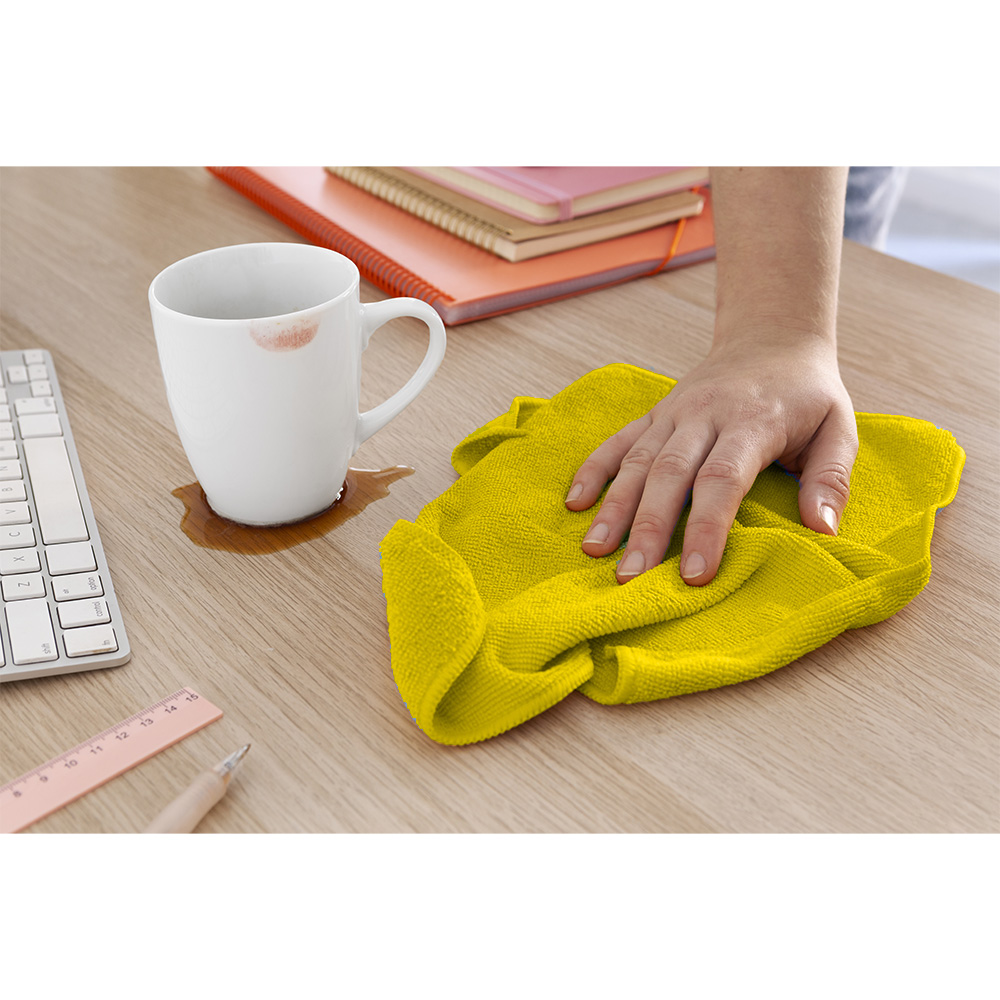
When used dry, the cloth is electrostatically charged during rubbing. This charge acts like a magnet for dust, hair, and allergens, trapping them in the fibers instead of lifting them up and dispersing them in the air. It's the ideal solution for dusting furniture, screens and delicate surfaces.
2. Absorption and Degreasing Action
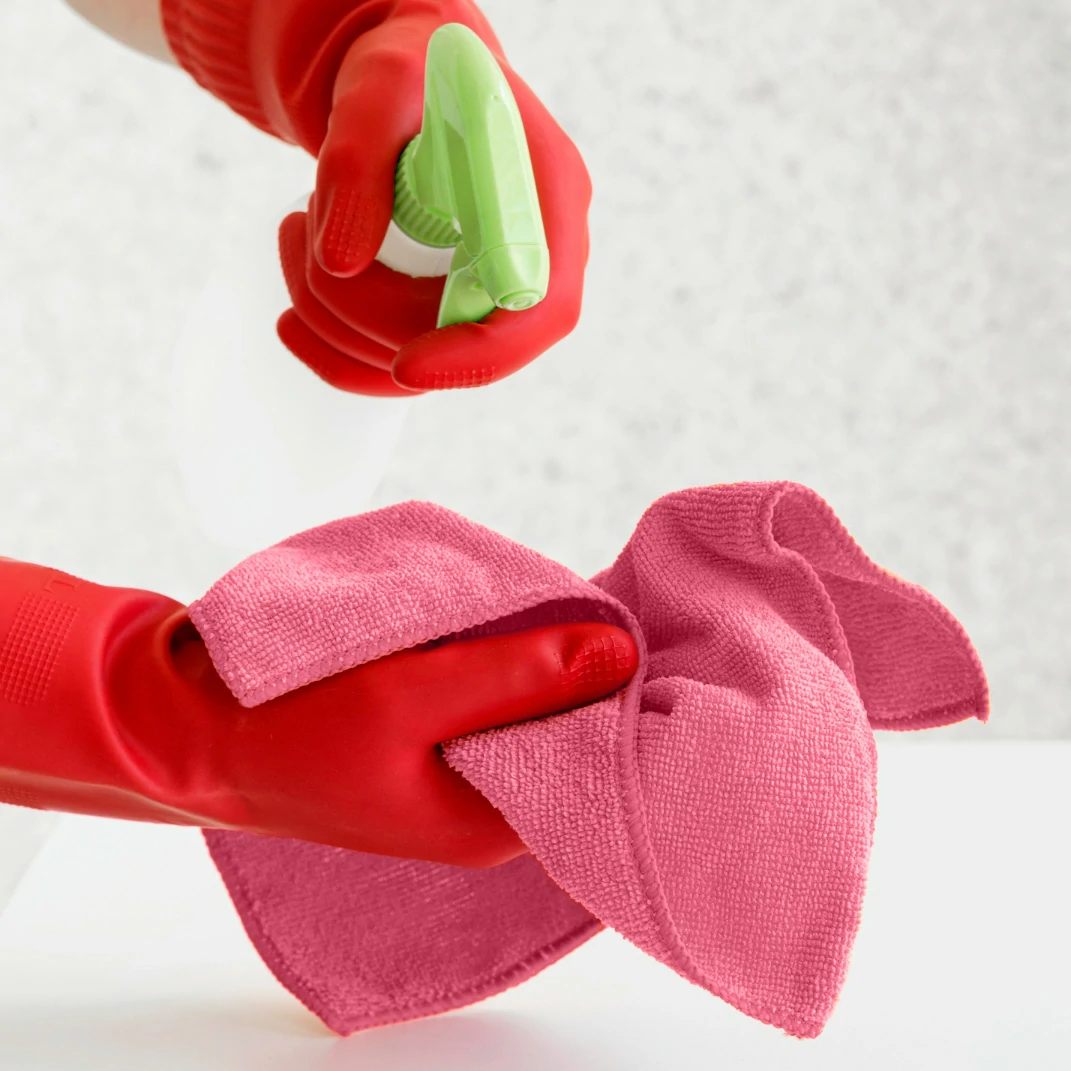
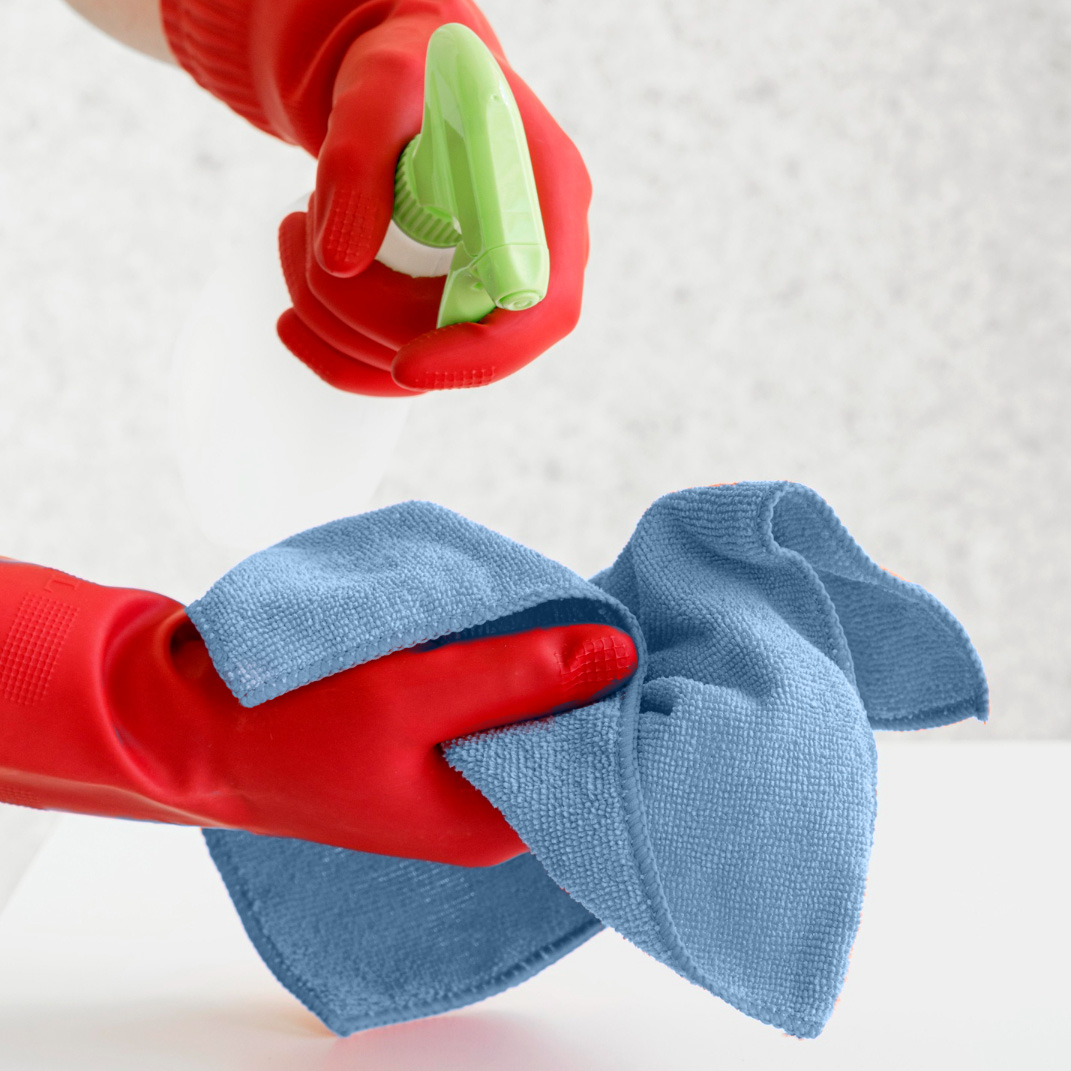
When moistened with only water, microfiber unleashes its cleaning power. The micro-filaments act by capillarity, breaking the surface tension of the dirt (grease, grease, stains) and absorbing it into the weave. This makes it possible to drastically reduce, and in many cases eliminate, the use of chemical detergents.
3. Durability and Sustainability
Allice cloths are designed to withstand hundreds of machine wash cycles (up to 90°C) without losing their characteristics. This makes them an ecological and economic investment, reducing waste and repurchase costs compared to disposable or low-quality cloths.
The Color Code: Smart Cleaning, Absolute Safety
The real turning point is the application of the color system. Assigning a color to a specific work area or risk level is the most intuitive and effective method for preventing cross-contamination. It is an international standard used in the food (HACCP), healthcare and hospitality industries. Let's see in detail the role of each color in the Allice range.
Blue: Low Risk Areas
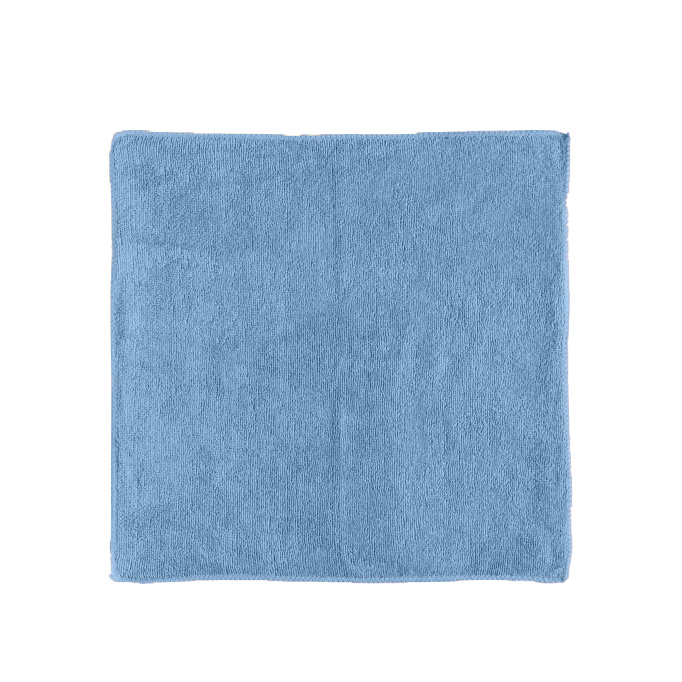
Blue is the color of versatility and security. It is intended for generic surfaces with a low risk of bacterial contamination.
Ideal Use:
- Offices: desks, computers, telephones.
- Common areas: handrails, handles, switches.
- Glass, mirrors and glossy surfaces.
- Furnishing in general.
Green: Food Areas
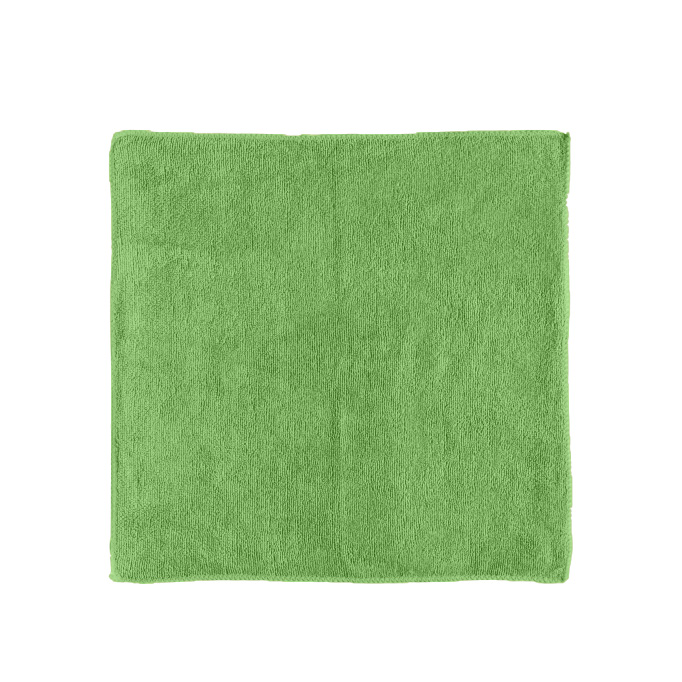
Green is the color of food safety. Its application is strictly limited to areas where food is prepared and served.
Ideal Use:
- Professional and domestic kitchens.
- Food preparation benches.
- Bar areas and canteens.
- Cleaning tables in dining areas.
Yellow: Specific Health Areas
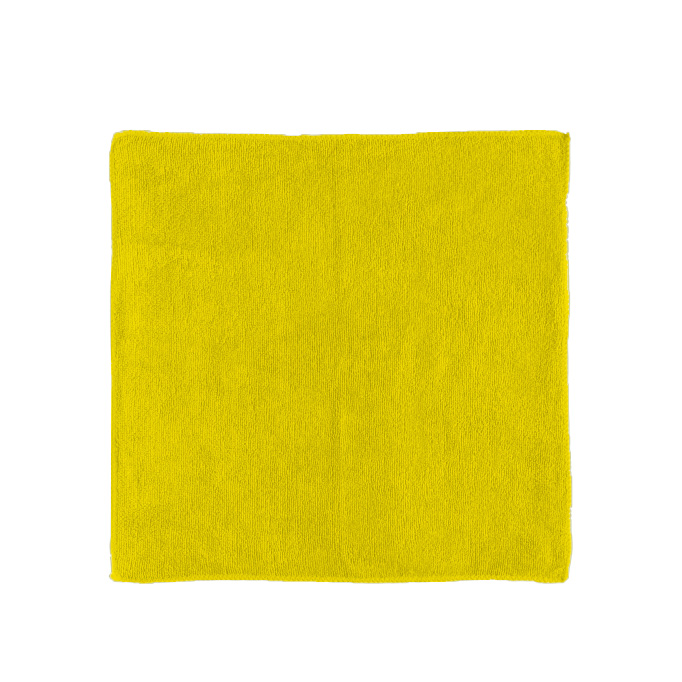
Yellow is dedicated to areas with a specific risk of contamination, such as sinks and surfaces in bathrooms (excluding high-risk sanitary ware).
Ideal Use:
- Sinks, faucets and tiles.
- Shower cubicles and bathtubs.
- Surface cleaning in gyms and changing rooms.
- Washing areas in general.
Red: High Risk Areas
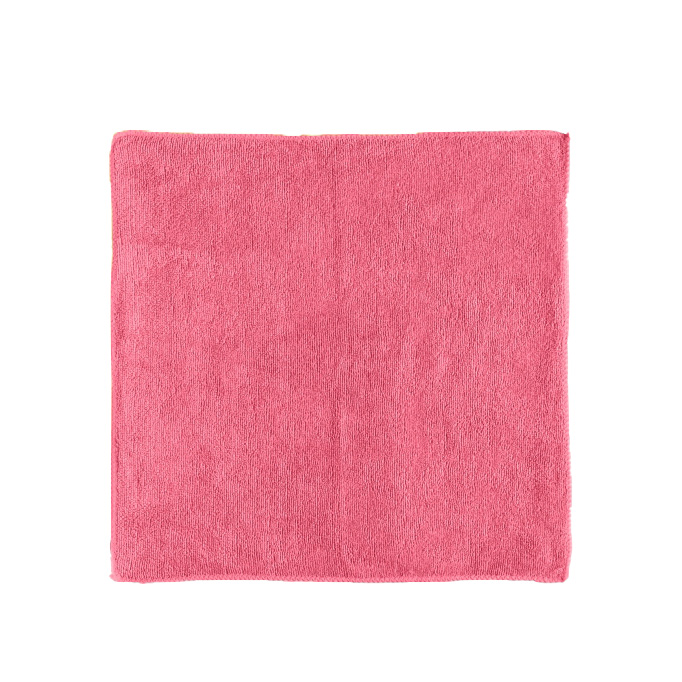
Red signals the greatest danger. It is reserved exclusively for areas with the highest bacterial load, to avoid the spread of pathogens.
Ideal Use:
- Toilets and urinals.
- Bathroom floors.
- Areas in contact with body fluids.
- Waste disposal areas.
Allice System Comparison Chart
An overview so you don't have any more doubts. Choose the right cloth for each operation and ensure impeccable hygiene.
| Feature | Allice Blue Cloth | Allice Green Cloth | Allice Yellow Cloth | Allice Red Cloth |
|---|---|---|---|---|
| Primary Use Area | Generic surfaces | Food preparation areas | Low-risk sanitary surfaces | High-risk healthcare |
| Risk Level | low | Critical (Food) | Medio | Alto |
| Concrete Examples | Desks, glass, mirrors, furniture | Kitchen benches, tables, canteens | Sinks, showers, bathroom tiles | Toilets, urinals, bathroom floors |
| Main Objective | General cleaning and dusting | Preventing food contamination | Sanitation of wet areas | Isolate and eliminate pathogenic bacteria |
| material | High quality microfiber (Polyester/Polyamide) | |||
| sizes | Standard (e.g. 40x40 cm) for maximum maneuverability | |||
| Washability | Resistant to industrial washing up to 90°C | |||
| Buy Now | View Product | View Product | View Product | View Product |
Practical Tips: Make 100% Use of Your Allice Cloths
Buying the right clothes is the first step. Using and maintaining them properly is what guarantees excellent results over time. Here are our best practices and the mistakes to absolutely avoid.
The Golden Rules for Perfect Use
Wet: The most common method. Dampen the cloth with water and squeeze it well. The humidity is sufficient to activate the cleaning and degreasing action of the microfiber. Too much water will leave streaks.
The Mistakes You Never Make
- _ITEMS_
- Never use fabric softener or bleach. The fabric softener creates a waxy coating that clogs the microfibers, making them waterproof and useless. Bleach, on the other hand, corrodes and damages fibers, drastically reducing their lifespan and effectiveness.
- Never iron microfiber cloths. The fibers are synthetic (polyester/polyamide) and the excessive heat of the iron would dissolve them irreparably, destroying their cleaning structure.
- Do not mix colors during use or storage. The system only works if it is strict. Keep the red cloths separate from the others, both when cleaning and in the equipment cart, to avoid any contact and accidental contamination.
Adopt a System, Not Just a Product
Buying the four Allice colored cloths is not simply the purchase of four tools. It is the adoption of a professional cleaning system that brings immediate tangible benefits.
Superior Hygiene
Drastically reduce the presence of bacteria and the risk of illness, protecting customers, employees, and your family.
Operational Efficiency
The staff learns quickly and has no doubts about which cloth to use. Cleaning times are reduced and productivity increases.
Professional Image
An organized and visible cleaning system communicates care, attention and professionalism, increasing the trust of your customers.
Are you ready to take the leap in quality? Don't let inadequate tools compromise the quality of your work and the safety of your environments. Choose the Allice system and discover the difference that the right cloth can make.
See the Full Range of ClothsRequest a Consultation
