

The Invisible Enemy at Home: Why Are Filters Crucial?
Every day, our appliances work tirelessly. The kitchen hood sucks in fumes and vapors, the dehumidifier purifies the air, the coffee machine gives us our dose of energy. But behind the scenes of this efficiency there is a constant battle against invisible enemies: grease, odors, limestone, dust and polluting particles. Without an adequate filter system, these elements not only compromise the performance of the appliances, but can also affect our health and the comfort of our home. A clogged or exhausted filter is like a doorman who has stopped doing his job: he lets everything in.
The first alarm bell is often olfactory. The smell of fried food that persists for hours, even with open windows, is a clear sign that the hood's activated carbon filter has lost its ability to absorb odorous molecules. Then there's the visual aspect: a greasy patina that slowly deposits on wall units, tiles and surfaces. This is the job that the grease filter is no longer doing. Less obvious, but more insidious, are the drops in performance: a hood that no longer vacuums with the same power, a dehumidifier that cannot reduce humidity, a coffee with a 'strange' flavor. In all of these cases, the culprit is almost always a filter that asks to be cleaned or replaced. Ignoring these signals means not only living in a less healthy environment, but also forcing the appliance's motor to put in extra effort, increasing energy consumption and drastically shortening its useful life.
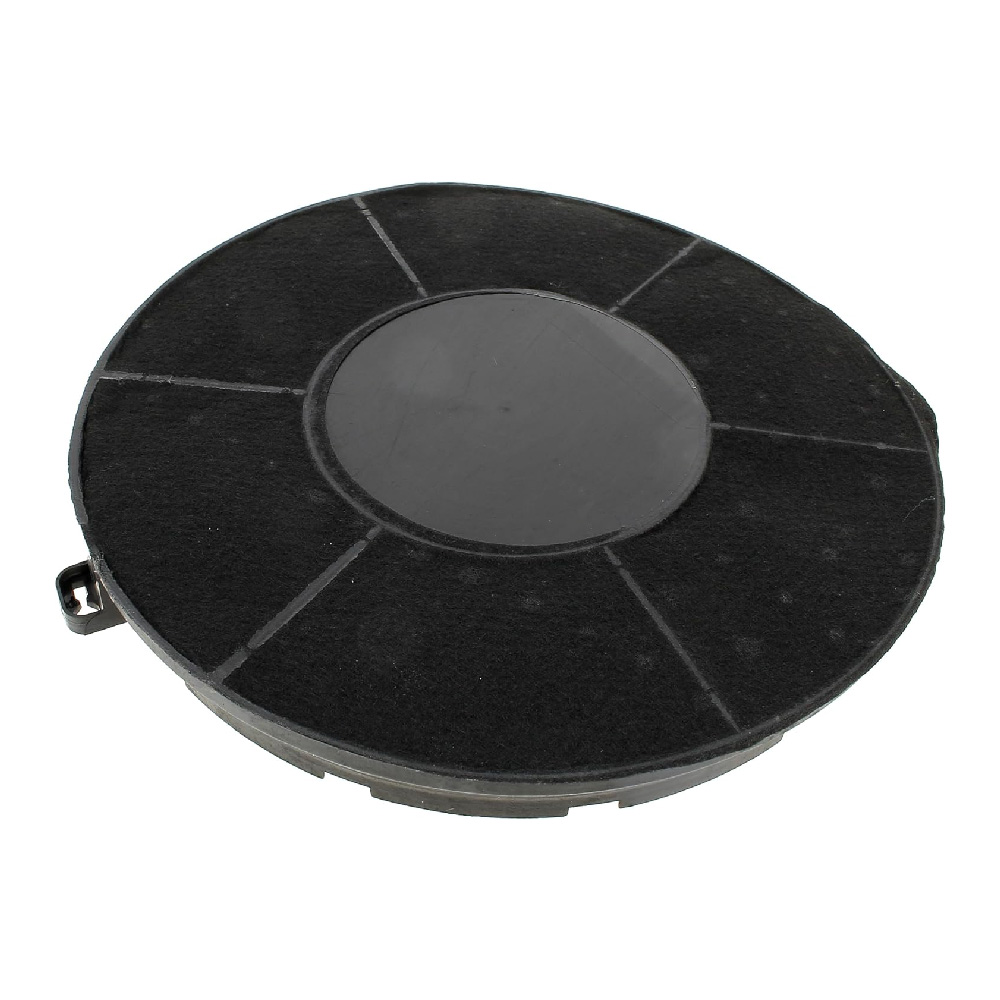
The Cost of Negligence
A dirty filter can increase the energy consumption of an appliance by up to 30%. Maintenance is not an expense, but an investment that pays off in the bill and the lifespan of the appliance.
Know Your Allies: The Types of Filters and Their Superpower
To effectively combat the enemies of our home, we must know the weapons at our disposal. In the world of household appliances, the two main superheroes are activated carbon filters and grease filters. Although they sometimes work together, as in the kitchen hood, they have very different missions.
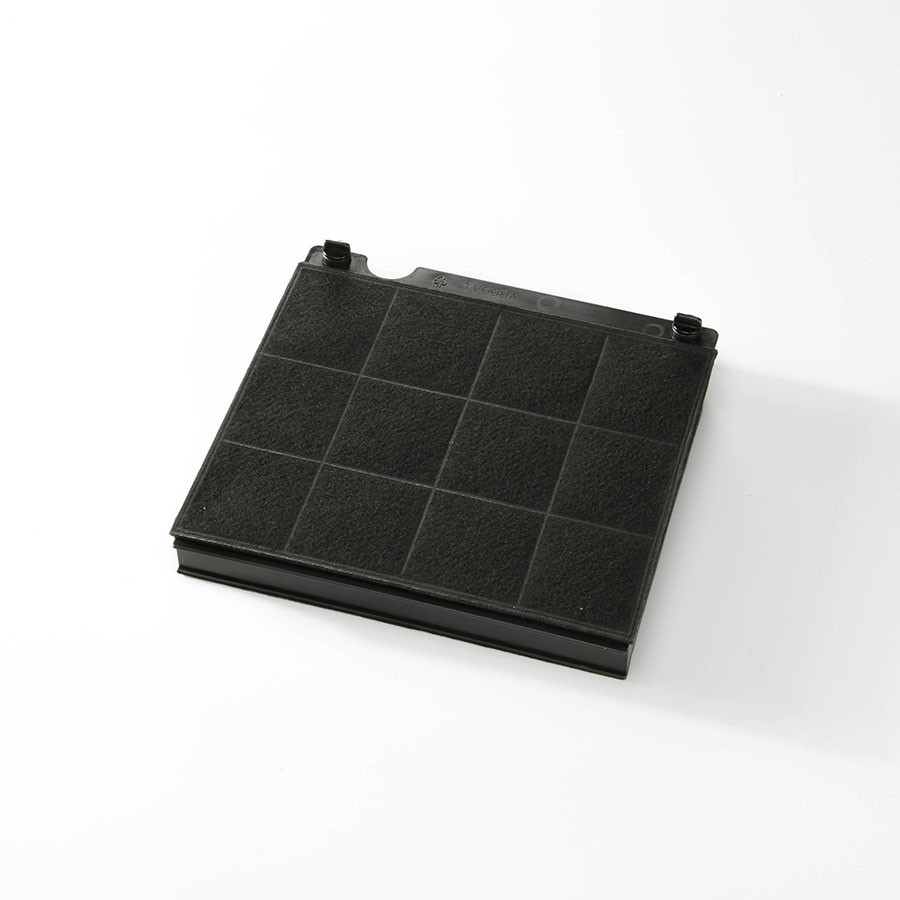
Activated Carbon Filters: The Odor Eaters
Imagine a microscopic sponge with a surface as large as a soccer field. This is activated carbon. Thanks to an activation process that creates millions of pores on its surface, this material has an extraordinary ability to 'capture' and retain the organic molecules responsible for bad odors. It doesn't just mask them, it physically removes them from the air. For this reason, they are indispensable in 'filtering' hoods (those without external exhaust) and are also precious allies in dehumidifiers and air purifiers.
Their effectiveness, however, is not eternal. Once all pores are 'saturated', the filter stops working and needs to be replaced. The average duration is 3-6 months, depending on the intensity of use of the kitchen.
Discover the Propeller Filter F00333/A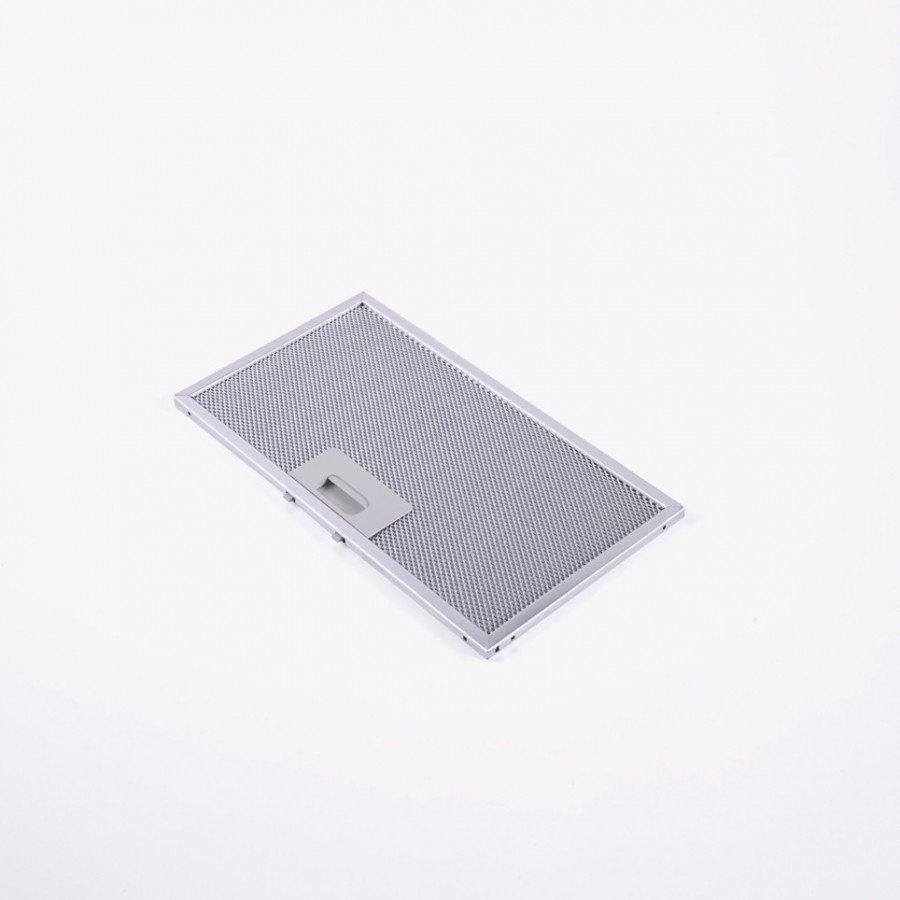
Grease Filters: The Protective Barrier
These filters are the first line of defense. Usually made of layers of aluminum or stainless steel, they have a fine mesh structure designed for a specific task: to intercept the fat particles vaporized during cooking. Hot, grease-laden air is forced to pass through this metal labyrinth; in doing so, it slows down and cools, causing condensation and the deposit of grease on the filter meshes. This simple mechanical principle protects the internal parts of the hood, in particular the motor, from accumulations of grease that could damage it and, in extreme cases, represent a fire risk.
The good news is that metal grease filters are washable and reusable. Regular cleaning (at least once a month) in the dishwasher or by hand with a degreaser guarantees its efficiency for years.
See the Propeller Grease FilterPractical Guide to Choosing and Maintaining Hood Filters
The hood is the appliance where the synergy between the two types of filters is most obvious and crucial. Choosing and caring for the right filters can make the difference between fresh and fragrant cuisine and an unpleasant environment. Let's see how to navigate between the various models and how to take care of them.
Choosing an Activated Carbon Filter: A Comparison for You
Not all activated carbon filters are the same. Compatibility with your hood model is the first requirement, but there are also differences in terms of durability and performance. To help you choose, we've compared some of our most popular models for Elica and Faber hoods.
| Feature | Elica F00333/A filter | Faber F8 2-Filter Kit | Elica TYPE 58 Carbon Filter |
|---|---|---|---|
| image | | 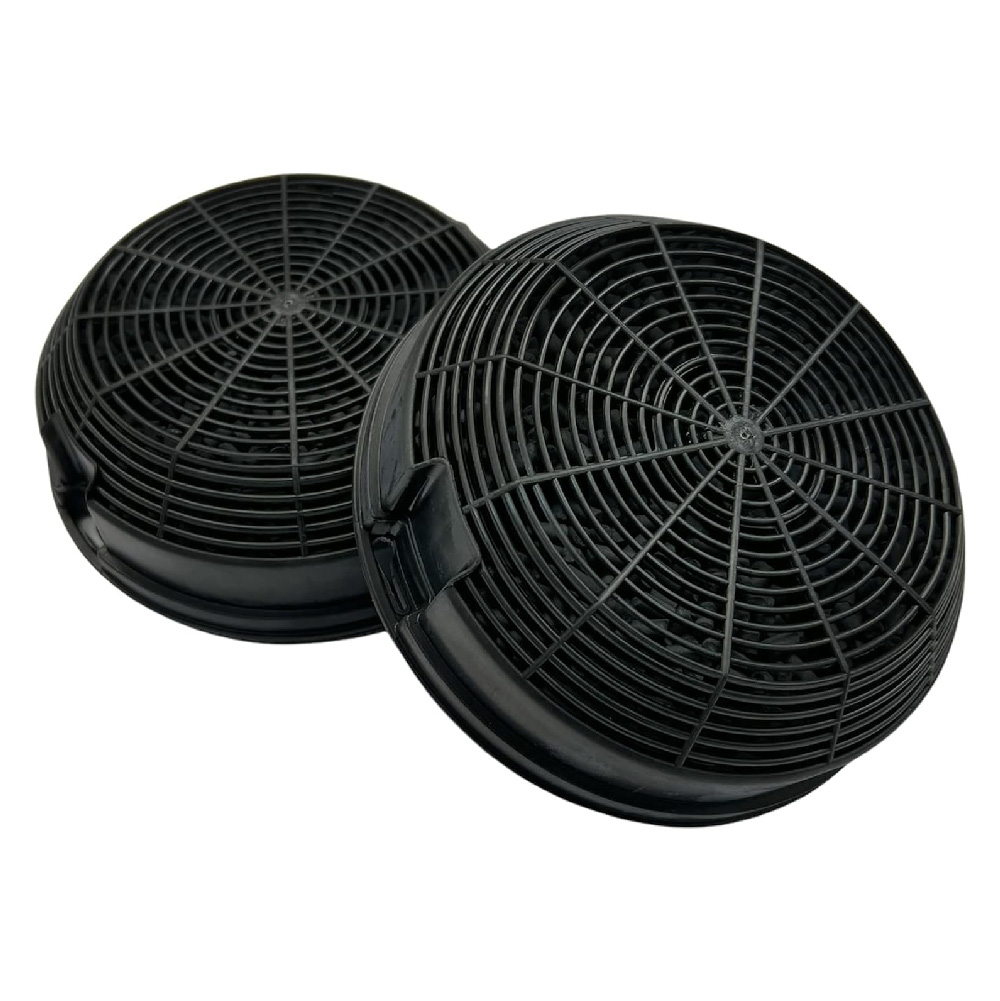 | 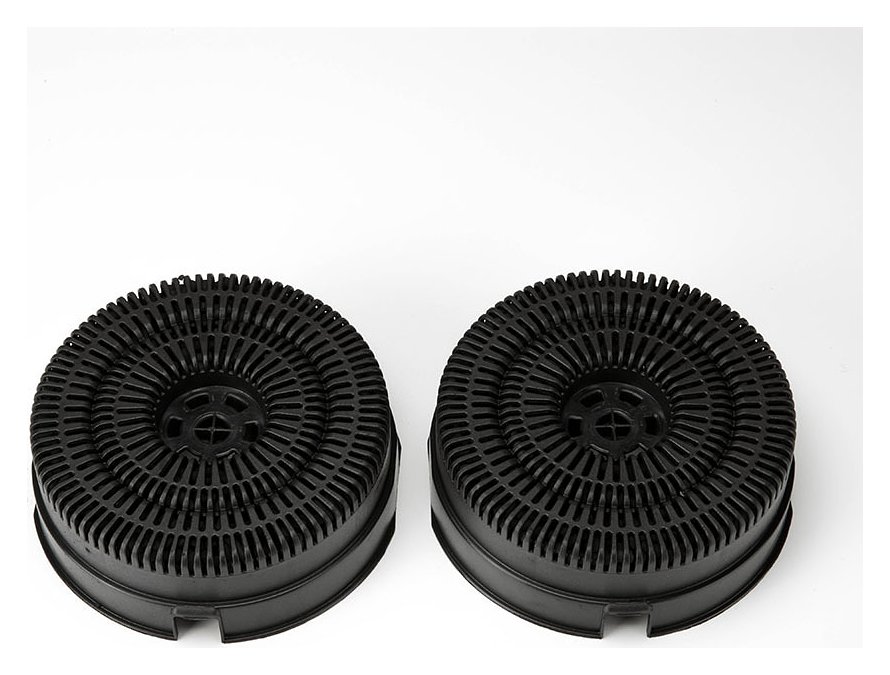 |
| Tipo | Standard Activated Carbon | Activated Carbon (2 pcs kit) | Standard Activated Carbon |
| Primary Compatibility | Various models of Elica hoods | Various models of Faber hoods | Various models of Elica hoods |
| Estimated Duration | About 3-4 Months | About 3-4 Months | About 3-4 Months |
| Strength Points | Specific original spare part, maximum efficiency for compatible models. | Convenience of the two-piece kit, ideal for having a ready stock. | High compatibility and reliable performance guaranteed by the Elica brand. |
| Buy Now | View Product | See Kit | View Product |
Expert Tip: When to Replace the Carbon Filter?
Don't wait for the smells to become unbearable. The general rule is every 3-4 months for normal use. If you often cook fried or particularly smelling foods (such as fish or cabbage), consider replacing it every 2 months as well. Set a reminder on your calendar: your home will thank you!
Grease Filter Maintenance: Simple Steps for Maximum Efficiency
Caring for the grease filter is easy and incredibly effective at preserving your hood. Here's a step-by-step guide for perfect cleaning.
- 1. Safe Disassembly: Make sure the hood is off and cool. Release the filters by acting on the appropriate levers or handles. This is usually a very simple operation.
- 2. Visual Inspection: Check the level of dirt. If it is only slightly greasy, a quick wash will suffice. If it has large accumulations, pre-treatment may be necessary.
- 3. The Dishwasher Option: The most convenient route. Insert the filters in the dishwasher in a vertical position, avoiding overlapping them with other dishes. It uses a standard washing cycle (max 65°C). It is normal that the metal may darken slightly after washing, but this does not affect its functionality.
- 4. Hand Wash: For stubborn dirt or if you don't have a dishwasher. Immerse the filters in a basin with hot water and a specific degreaser or simple dishwashing detergent. Let it soak for 15-30 minutes, then brush gently with a soft bristle brush so as not to damage the mesh. Rinse thoroughly.
- 5. Complete Drying: This step is crucial. Allow the filters to dry completely in air or dab them with a soft cloth before reassembling them. The remaining moisture could promote the formation of oxidation.
Beyond the Kitchen: The Hidden Importance of Filters in Other Home Appliances
Our attention is often catalyzed by the hood, but many other appliances rely on filters to work at their best and improve the quality of our home life. Let's discover some of these silent heroes.
The dehumidifier is a valuable ally against mold and humidity, but more advanced models, such as the Dehumidized Vortex, integrate an activated carbon filter. Its function is twofold: while the appliance extracts moisture, the filter captures indoor odors, mold spores, smoke and other volatile organic compounds (VOC), returning air that is not only drier, but also cleaner and more pleasant to breathe. It is a particularly useful function in poorly ventilated areas such as taverns, laundry rooms or blind bathrooms.
Vortex Dehumidifier Filter
Why does the coffee in the bar always look better? Often, the secret is in the water. Tap water, although drinkable, contains chlorine and other impurities that can alter the delicate flavor of the coffee. This is why machines like the De'Longhi BCO320T use a small but powerful activated carbon filter in the water tank. This filter purifies the water just before brewing, eliminating unpleasant flavors and ensuring that only the pure aroma of the coffee reaches your cup. In addition, by reducing impurities, it helps prevent limescale formation, extending the life of the machine.
Water Filter for De'Longhi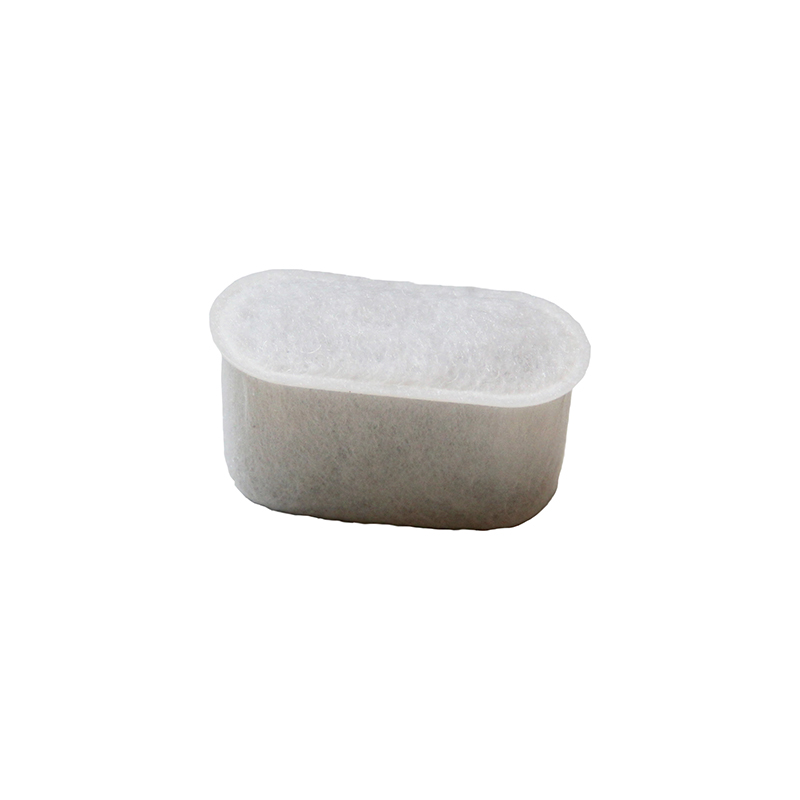
Even the dishwasher has its filters, and they are vital. The filtering system, such as the one present in Whirlpool ADG 758, has the task of capturing food residues and fat particles, preventing them from being recirculated during washing and from clogging the drain pump. A clean filter guarantees brighter dishes, without streaks or residues, and prevents costly breakdowns. Most dishwasher filter systems consist of a microfilter, a coarse-grained filter, and a metal plate. Cleaning them regularly under running water is a matter of a few minutes that makes a big difference.
Whirlpool Dishwasher Filter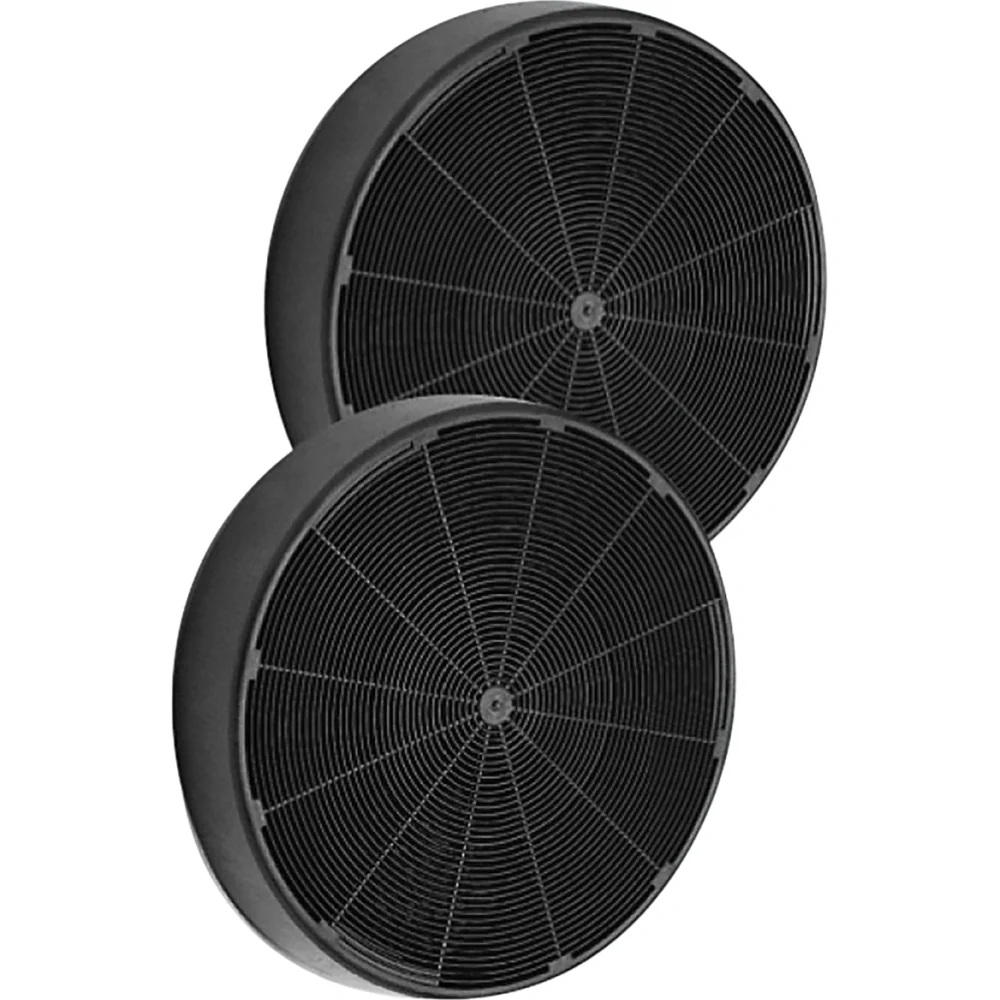
Mistakes to Avoid and Practical Tips: The Perfect Filter Vademecum
Proper filter maintenance is simple, but some common mistakes can compromise their effectiveness or even damage appliances. Here's a list of do's and don'ts to become a real expert.
Things to Do (DoS)
- Always check for compatibility: Before buying a replacement filter, check your appliance manual or the code of the old filter. A wrong filter may not fit or work properly.
- Establish a cleaning/replacement routine: Mark the maintenance deadlines on the calendar. Regularity is the key to never forget it.
- Use quality parts: Original or high-quality compatible spare parts, such as those found on Assperr.it, guarantee the declared performance and maximum safety for your device.
- Keep the instructions: When buying a new appliance, keep the manual aside. It contains valuable information on parts codes and maintenance procedures.
Things NOT to Do (Don'ts)
- Do not wash activated carbon filters (unless specified): Most carbon filters are 'disposable. ' Washing them makes them unusable. The exception is the 'Long Life' models, which require a specific regeneration procedure.
- Don't ignore the warning signs: Decreased suction, persistent odors, abnormal noises. Your appliance is reporting a problem to you. The filter is the first suspect to check.
- Do not use aggressive products: When cleaning metal filters, avoid bleach or acids that could corrode them. A neutral degreaser is more than enough.
- Do not reassemble wet or wet filters: As already mentioned, humidity is the enemy of internal components. Make sure they are perfectly dry before putting them back in their place.
The attention to detail is what distinguishes an appliance that 'works' from an appliance that 'works for you', improving your home and your life.
A Small Gesture for a Big Change
We traveled together into the microscopic but fundamental world of filters. We have seen how an activated carbon filter can neutralize the most stubborn odors, how a grease filter protects the heart of our hood and how other small filters improve the flavor of our coffee and the healthiness of the air we breathe. The conclusion is simple: dedicating a few minutes a month to filter maintenance is not a waste of time, but a smart investment. An investment in cleaner air, in more authentic flavors, in lighter bills and, above all, in the longevity of those appliances that simplify our lives every day.
Don't put it off until tomorrow. Check the condition of your home's filters today. If it's time to change them, on Assperr.it you will find a wide range of original and compatible spare parts for all major brands. Let your appliances breathe, and your home will breathe with them.