

Ultimate Guide to 2024 Portable Dehumidifiers: The Solution Against Mold and Moisture
Enough Moisture, Mold and Condensation!
Discover how a portable dehumidifier can transform your home into an oasis of well-being, protecting your health and your most precious assets.
Excessive humidity isn't just a matter of comfort: it's a silent threat that can cause structural damage, health problems, and a constant sense of discomfort. In this comprehensive guide, we'll explore how Fral portable dehumidifiers and top brands represent the ultimate solution to these problems.
Explore the Full RangeThe Invisible Enemy: Why Is Humidity a Serious Problem?
Often underestimated, a relative humidity of more than 50-60% in a closed environment creates the breeding ground for a number of problems. It's not just that unpleasant 'wet' feeling on the skin or constantly fogged up glass. The consequences are much deeper and can impact your daily life in ways you may not have considered. Let's analyze together the most common 'pain points' that an excess of water vapor in the air can generate.
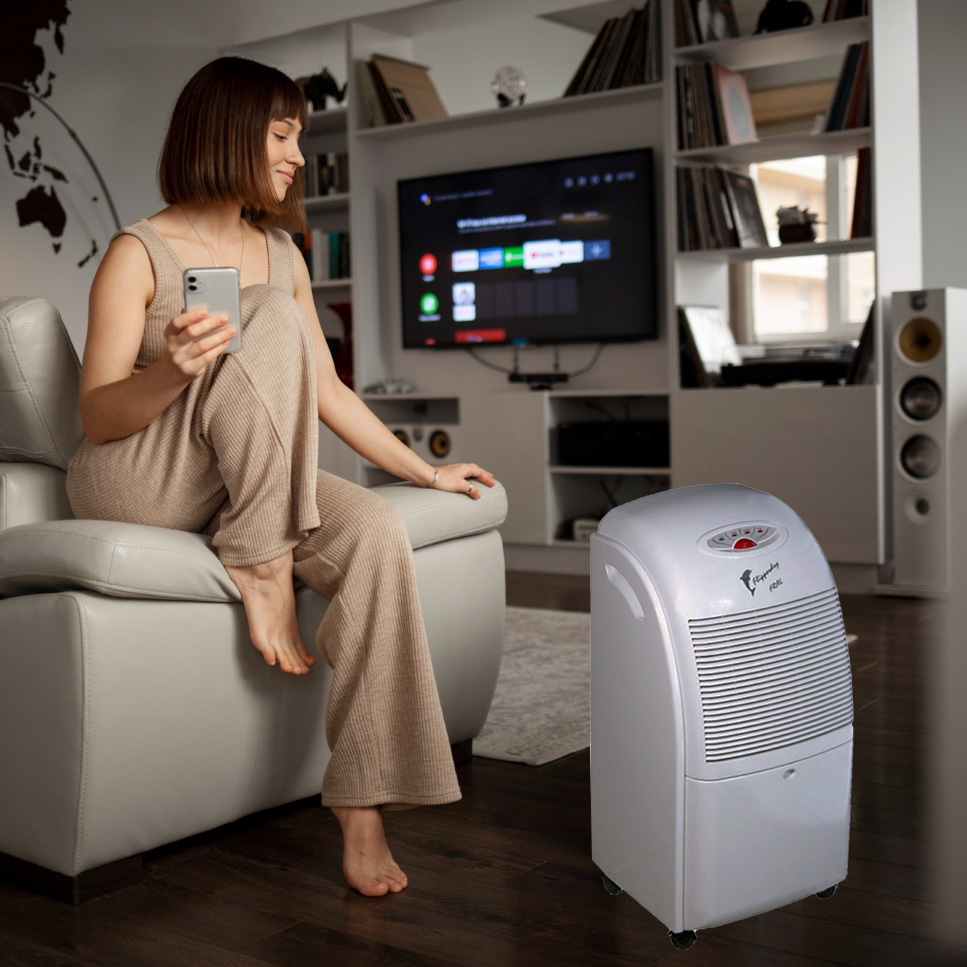
1. Health Threats: Allergies and Respiratory Problems
Humid air is the ideal habitat for dust mites, mold, and bacteria. Mold spores, in particular, are powerful allergens that can trigger or worsen asthma, allergic rhinitis, sinusitis, and eye and throat irritations. Constantly breathing in an environment that is too humid means exposing your respiratory system to a continuous attack, with consequences especially for children, the elderly and sensitive individuals.
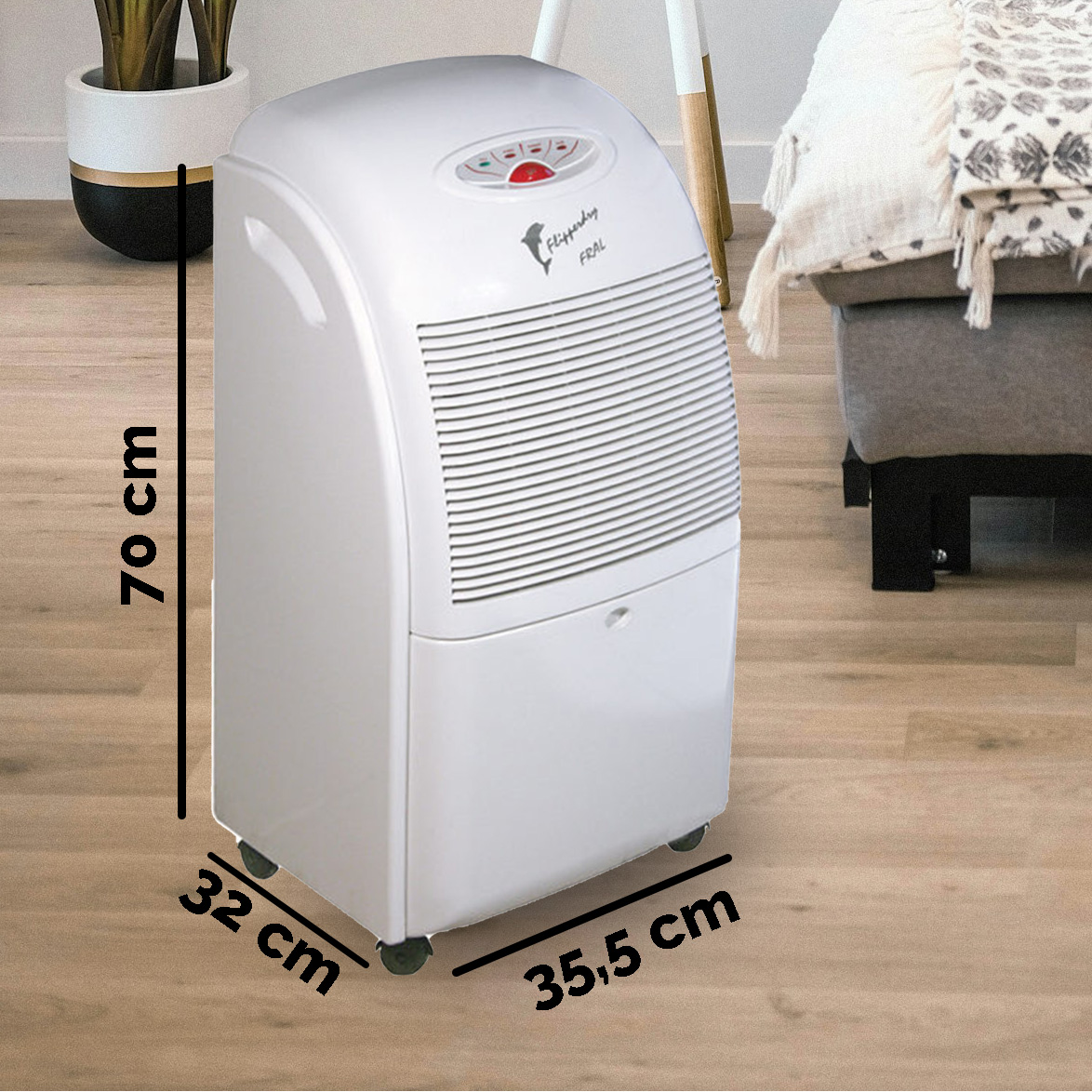
2. Structural Damage to the Home: Mold Is Not Only Ugly
The unsightly black or greenish spots on the walls are just the tip of the iceberg. Moisture penetrates the walls, crumbles the plaster, peels off the wallpaper and can damage the wooden structures, causing rot. Condensation that forms on cold windows and surfaces drips, ruining floors and window frames. Not only are these damages expensive to repair, but they also devalue your property.
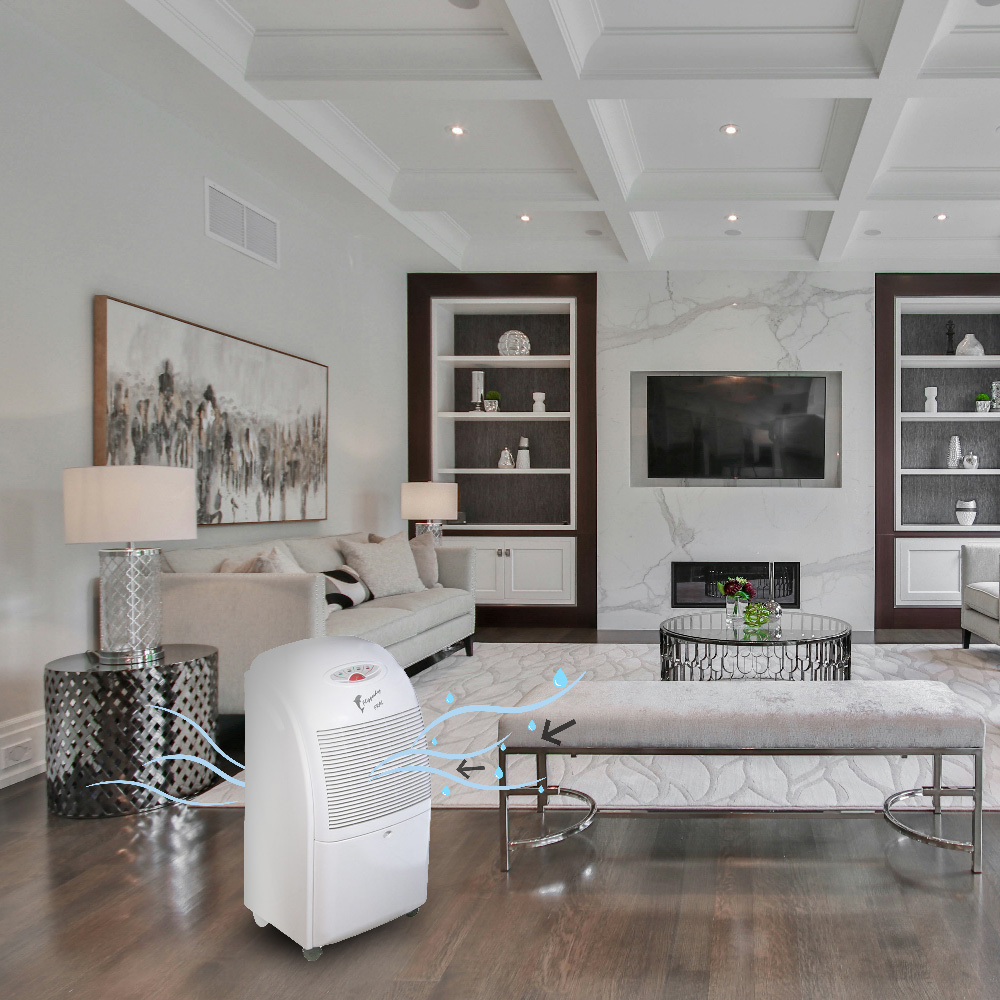
3. Comfort and Everyday Life Compromises
Living in a humid environment is simply unpleasant. The clothes in the closets and the linens take on a stale smell, the laundry takes forever to dry in winter, and that feeling of wet cold persists even with the heaters on. In addition, excess moisture can damage books, documents, electronic equipment, and musical instruments stored in the home, basement, or garage.
The Solution is at Your Fingertips!
A portable dehumidifier doesn't just 'plug' the problem: it solves it at the root. By capturing excess moisture, these appliances create a healthier, safer and more comfortable environment, preventing mold formation and related damage. It's a direct investment in the well-being of your family and the protection of your home.
How Does a Dehumidifier Work? The Magic of Dry Air
Without going into complex technicalities, the operating principle of the most common dehumidifiers (refrigeration cycle) is surprisingly similar to that of an air conditioner. The appliance draws in moist air from the room and passes it through a cold coil. The water vapor, in contact with the icy surface, condenses and transforms into droplets of water, which are collected in a special tank (or expelled through a continuous drain).
The air, now stripped of excess moisture, is slightly heated and returned to the environment. This continuous process gradually lowers the relative humidity until it reaches the ideal level (usually between 40% and 50%), which you can set yourself thanks to the integrated hygrostat. The result? Cleaner, healthier and more pleasant air to breathe.
- Active Mold Prevention: By keeping humidity under control, the primary condition for mold growth is eliminated.
- Fast Laundry Drying: Many models have a 'Laundry' function that dramatically speeds up drying times in winter, avoiding unpleasant odors.
- Improving Thermal Comfort: Drier air is perceived as warmer, potentially allowing you to lower your thermostat a few degrees and save on your bill.
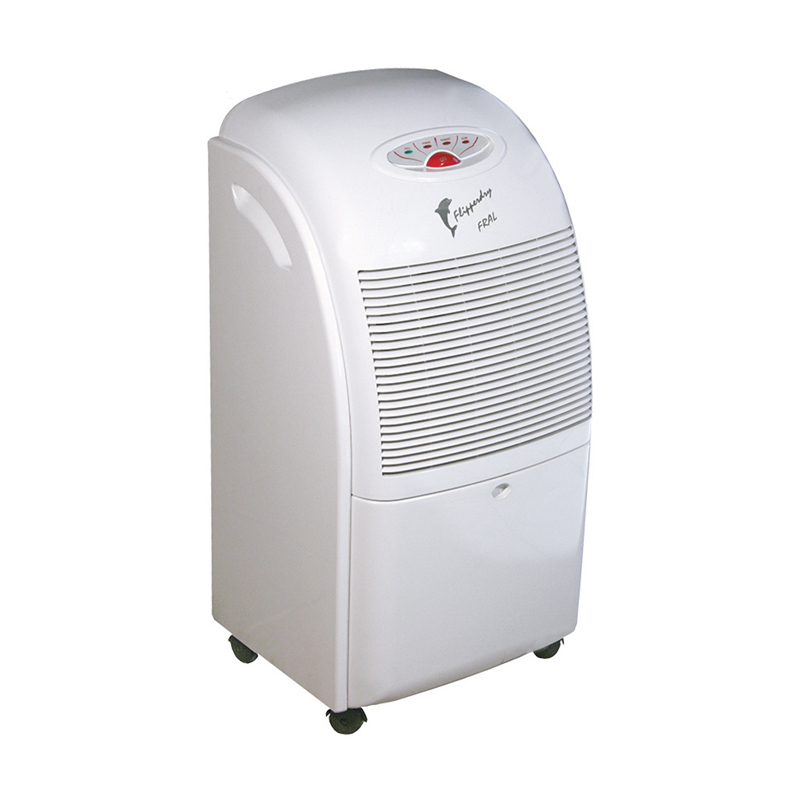
Selection Guide: Find the Perfect Dehumidifier for You
Choosing the right dehumidifier is critical to achieving the desired results. There is no 'best' model ever, but the one that best suits your specific needs. Here are the key factors to consider.
- Small rooms (up to 20-25 m²): A 10-13 liters/24h model, such as the Between DD13, is often sufficient for bathrooms, laundry rooms or small rooms.
- Average rooms (25-45 m²): A 16-21 liters/24h model is recommended. The Dry Digit 21 LCD is a great choice for living rooms, taverns or medium-sized offices.
- Large or very humid environments (more than 45 m²): For open spaces, problem cellars or professional environments, you need more powerful machines, from 26 to 33 liters/24 hours and up, such as professional models Fral FDC26 or FD33ECO.
- Electronic hygrostat: Indispensable. It allows you to set the desired humidity level. The dehumidifier will turn on and off automatically to maintain it, optimizing consumption.
- LCD display: It provides clear information about the current humidity and settings, as in Dry Digit 21 LCD.
- Timer: Useful for programming the turn on or off, for example during the night hours or when you are away from home.
- Continuous Condensate Drain: A crucial feature for uninterrupted use in places such as cellars or second homes. It allows you to connect a small tube to drain the water directly, without having to empty the tank. Many Fral models, such as theFDNF33, are predisposed.
- 'Laundry' or Turbo function: Set the fan to maximum to speed up laundry drying.
- Dust/Pollen Filter: In addition to dehumidifying, the appliance can also purify the air from coarse-grained particles. Remember to clean it regularly and replace it when necessary (such as with the Dust Filter for Fral Dehumidifiers).
- Wheels and Handles: Essential for portability, to easily move the unit from one room to another.
Our Champions in Comparison: Choose Your Ally
We've selected some of our most representative models to help you visualize the differences and identify what's right for you. From the compact solution for small spaces to the professional machine for the most demanding challenges.
| Feature | 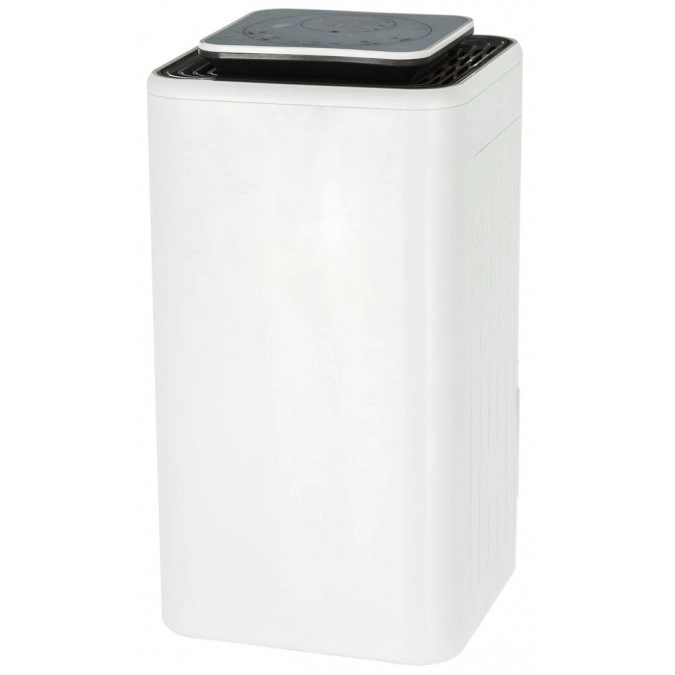 Between DD13 |  New Flipperdry 300 | 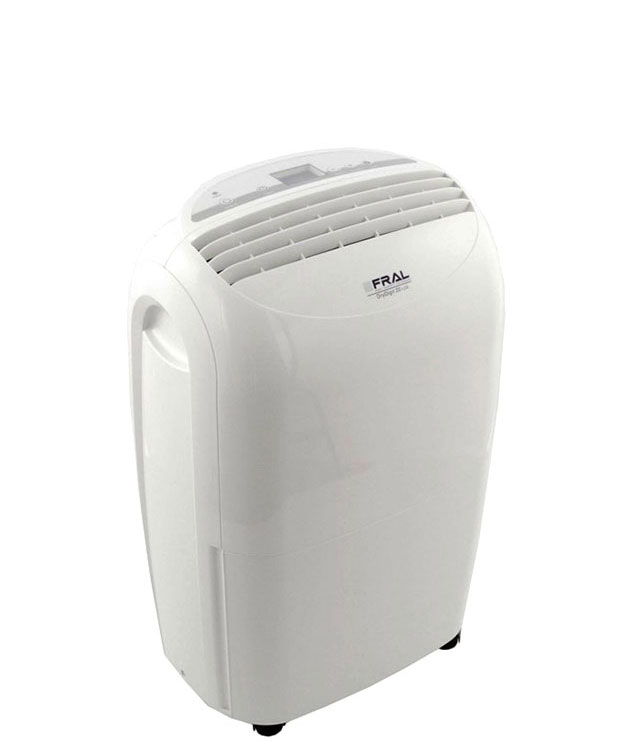 Dry Digit 21 LCD | 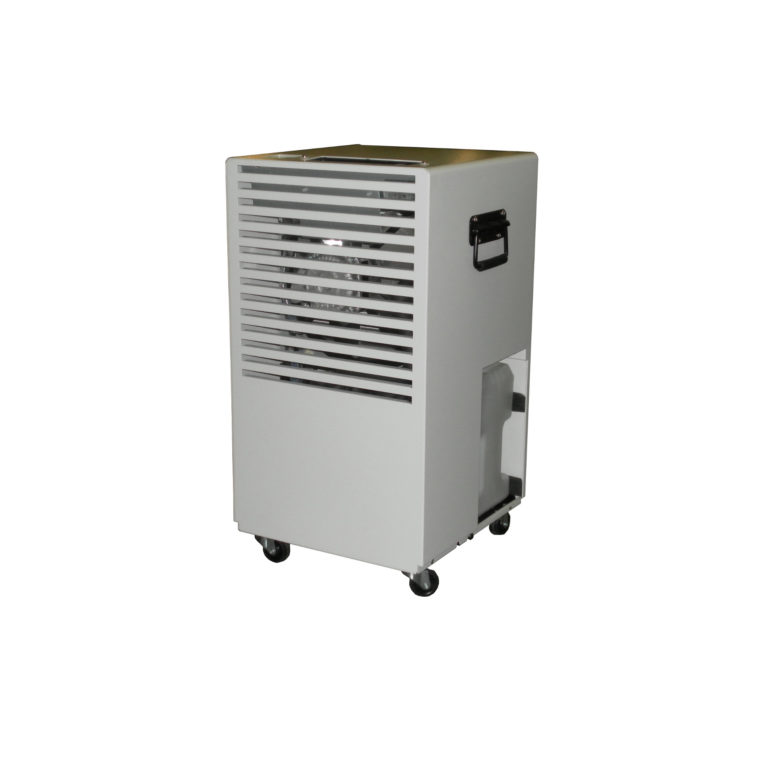 FD33ECO Professional |
|---|---|---|---|---|
| Ideal Use | Bathrooms, laundry rooms, small domestic environments | Rooms, living rooms, design offices | Living rooms, taverns, medium to large rooms | Cellars, garages, laboratories, professional use |
| Deumid capacity. | 13 L/24h | 12 L/24h | 21 L/24h | 33 L/24h |
| Ambient Volume | Up to 80 m³ | Up to 70 m³ | Up to 140 m³ | Up to 250 m³ |
| Tank capacity | 2.5 L | 2.5 L | 4 L | 5.5 L |
| Display | LED | LED | Digital LCD | Electronic control |
| Continuous Discharge | Yes | Yes | Yes | Yes (with optional pump) |
| Noise level | 43 dB (A) | 43 dB (A) | 45 dB (A) | 43 dB (A) |
| Extra functions | Timer, Auto-restart | Compact design, Timer | Laundry function, Timer, Precision hygrostat | Sturdy metal construction, Hot gas defrost | Buy | View Product | View Product | View Product | View Product |
Practical Tips for Maximum Efficiency
Did you buy your dehumidifier? Great! Now here are some tips to make the most of it and maximize results, while saving energy.
DoS: Best Practices
- Strategic positioning: Place the dehumidifier in the center of the room, or in any case away from walls and furniture (leave at least 20-30 cm of space on all sides) to ensure optimal air circulation.
- Close doors and windows: The dehumidifier is designed to treat indoor air. Leaving doors or windows open means making them do a useless and expensive job, trying to dehumidify... the outside world!
- Set the hygrostat correctly: A humidity level between 45% and 55% is ideal for comfort and mold prevention. Setting it too low (e.g. 30%) is useless and consumes a lot of energy.
- Regular filter cleaning: A dirty filter reduces airflow and efficiency. Check and clean it (with a vacuum or lukewarm water) every one to two weeks. A clean filter is essential for the machine's longevity and performance.
Don'ts: The mistakes to avoid
- Do not place it near heat sources: Radiators or stoves may interfere with the dehumidifier sensors.
- Don't ignore the full tank: If you don't use continuous draining, remember to empty the tank regularly. Most models stop automatically when full to prevent water spills.
- Don't turn it on and off all the time: Let the hygrostat do its job. Manual and close on/off cycles can stress the compressor.
- Do not block the suction/emission grilles: Make sure that curtains, furniture, or other objects don't block the vents.
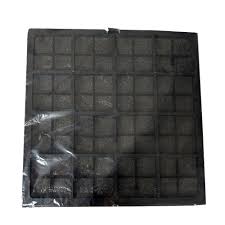
A Key Detail: Filter Maintenance
The air filter is the lung of your dehumidifier. Not only does it protect internal components from dust, but it also helps to improve the quality of the air you breathe. Over time, the filter wears out and loses its ability to capture particles. For this reason, it is essential to replace it according to the manufacturer's instructions.
To have a replacement filter at your fingertips is a smart move to ensure that your device always works at its maximum potential, protecting your investment and your health.
Buy the Fral Replacement Filter for DehumidifiersFrequently Asked Questions (FAQ)
Ready to Change the Air? Your Home Will Thank You.
Investing in a portable dehumidifier means making an informed choice for the health of your family and the longevity of your home. It means saying goodbye to the smell of being closed, to the stains of mold and to that annoying feeling of humidity. It means creating a home environment where you breathe well and live better.
Don't wait for moisture-related problems to worsen. Explore our selection of dehumidifiers and find the solution that's right for you today. Our team is at your disposal to advise you and guide you in the best choice.
Discover All Portable Dehumidifiers