Ultimate Guide to Wet Collection: Stop Bad Odors and Liquids with the Perfect Combo!
Revolutionize Your Separate Wet Collection!
Tired of bad smells, unpleasant liquids and bags that always break on the prettiest? Managing organic waste can turn from a daily nightmare to a simple, hygienic and ecological operation. Find out how a smart bin and the right bags can change the way you do recycling forever.
The solution is simpler than you think and is based on a fundamental scientific principle: aeration. Read on to discover the winning duo that will make your kitchen a fresher and cleaner place.
The Organic Waste Nightmare: Problems We All Know
Collecting the wet is a civic and ecological duty, but let's face it: it brings with it a series of challenges that are anything but pleasant. If you find yourself in any of the following situations, know that you are not alone and, above all, that there is a definitive solution. Every day, in thousands of homes and offices, a small battle is being fought against the problems generated by the suboptimal management of organic waste. Problems that not only create discomfort, but may also have hygiene implications.
It's problem number one. It only takes a few hours, especially during the warm months, for organic waste to begin its anaerobic decomposition process (in the absence of oxygen). This process releases sulfur compounds and other volatile substances that generate that characteristic, penetrating rotten smell. Opening the dustbin lid becomes an act of courage and the smell can easily spread throughout the kitchen, making the environment unpleasant.
Who hasn't experienced that shiver of disgust when lifting the bag and finding a pool of dark, foul-smelling liquid at the bottom of the dustbin? This' broth ', technically called leachate, is the result of the decomposition and compression of wet waste. Not only is it unpleasant to clean, but it's also a breeding ground for bacteria to thrive, making the dustbin a potential hygiene hazard.
It's the horror movie scene in every house: you grab the bag to take it outside, but the humidity and weight have weakened the structure, which gives way at the worst time. The result? A trail of organic and liquid waste on the kitchen floor, on the stairs or, even worse, in the elevator. A disaster that requires time, patience and a lot of disinfectant to fix.
A humid, closed environment rich in organic matter is a paradise for fruit flies and molds. These small insects can become a real nuisance, infesting the kitchen. Molds, on the other hand, not only contribute to the bad smell, but they can also release spores into the air, with potential health risks, especially for people with allergies.
The Solution is in the Air: The Dynamic Duo for the Wet
Forget all the problems we have listed. The solution is called aerated collection system. By combining a bin specially designed to 'breathe' with bags that promote perspiration, you can radically transform the management of your organic waste. Let us introduce you to the two protagonists of this revolution.
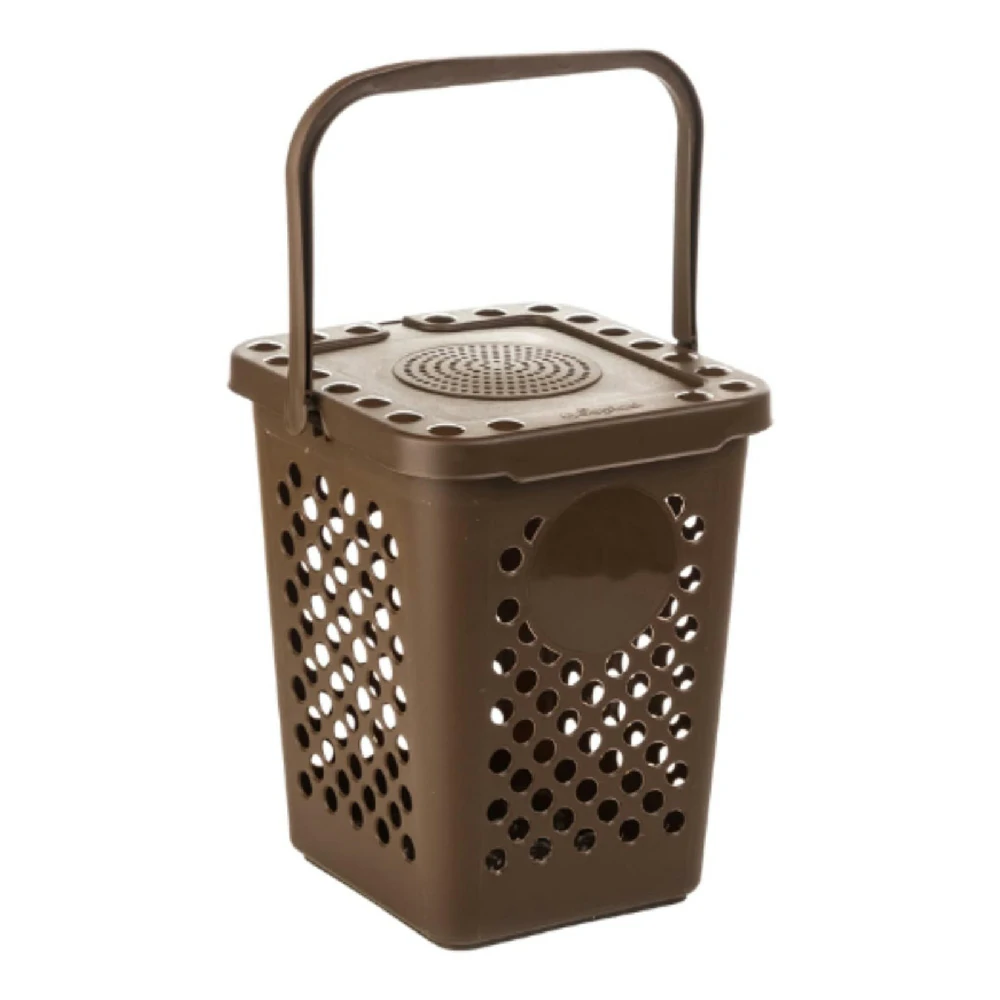
Perforated Wet Dustbin 10 Liter
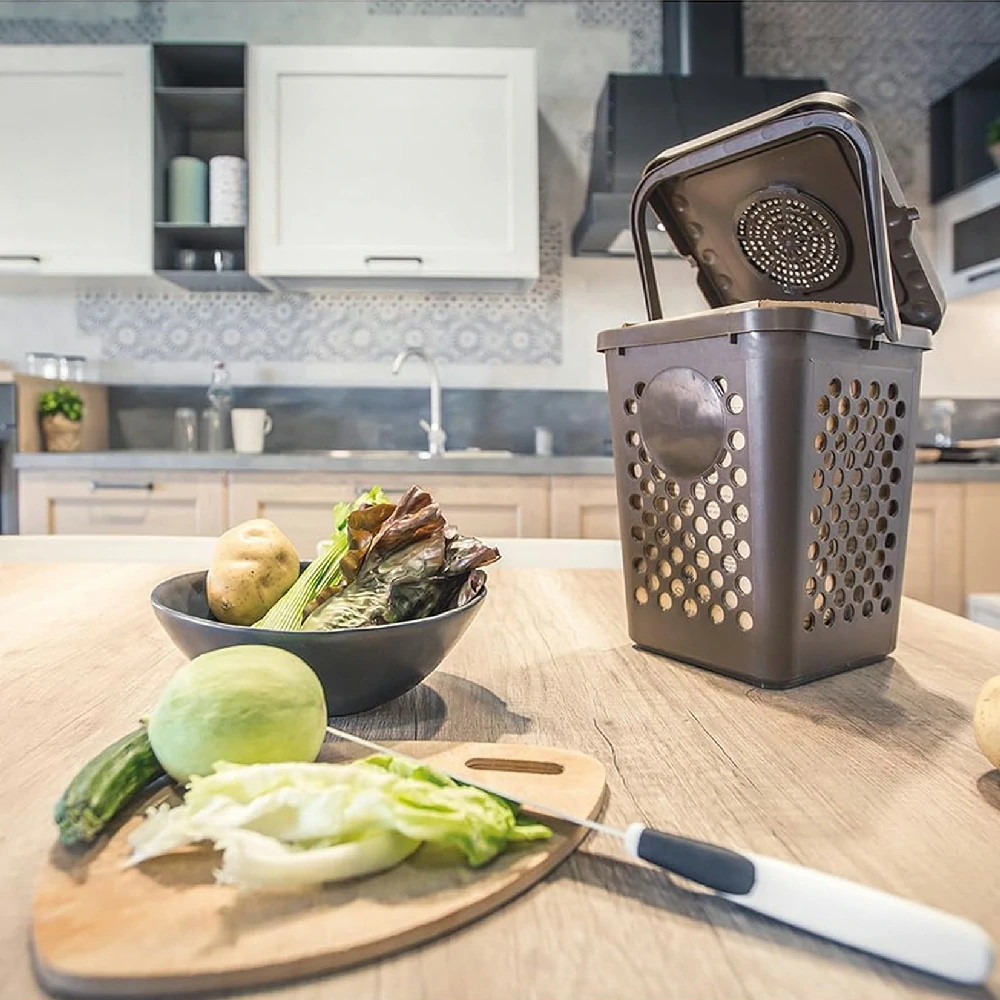
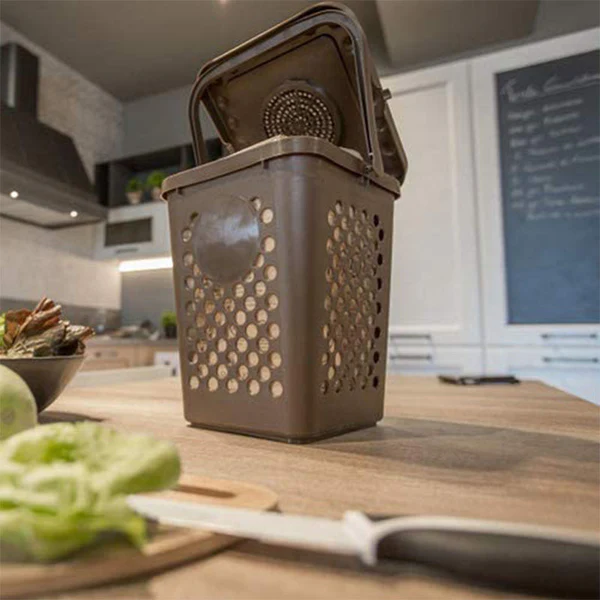
Not a simple dustbin, but a ventilation system for your waste. Made from recycled plastic, its perforated design on all sides, including lid, is the secret to an odor-free environment. It allows air to circulate, evaporating moisture and stopping anaerobic decomposition.
Discover the Dustbin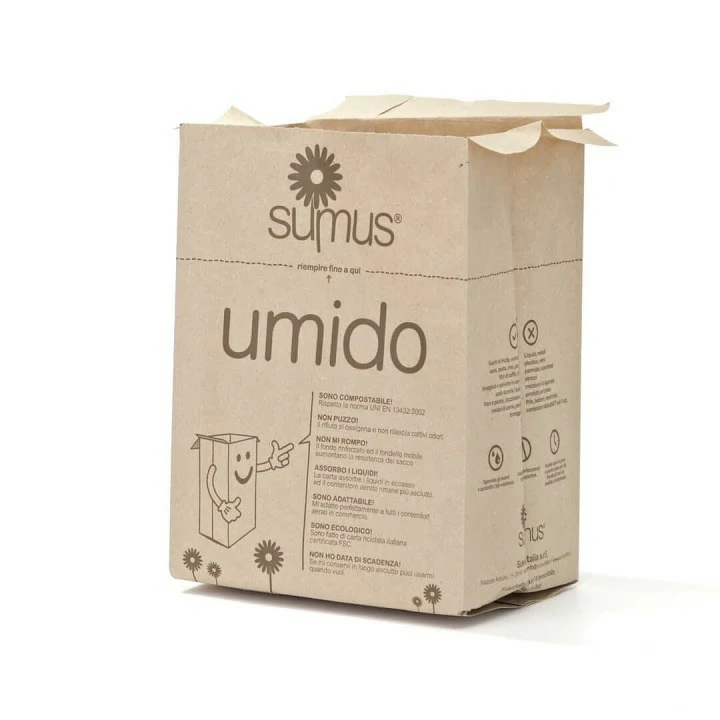
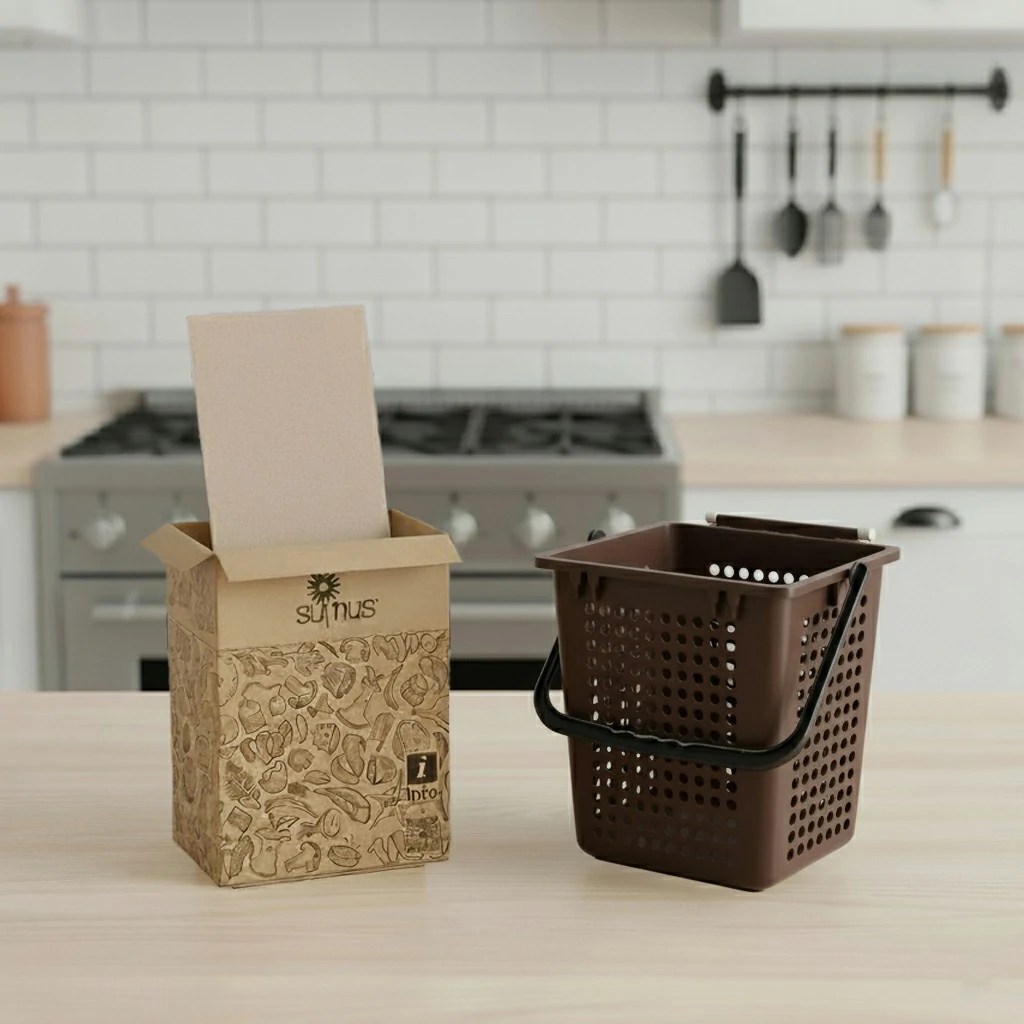
Sumus Paper Wet Bags 8 Liters
The perfect ally for the perforated dustbin. These special paper bags, moisture-resistant and certified compostable, are completely breathable. Unlike bioplastic bags, they do not create the 'condensation' effect and work in synergy with the dustbin to keep the waste dry and light.
Discover the BagsIn-depth Analysis: Why Does This System Work?
The Perforated Dustbin: The Heart of the System
Imagine being able to 'dry' your waste instead of letting it rot. That's exactly what it does 10 Liter Perforated Dustbin. His genius lies in the design.
The Science of Aeration
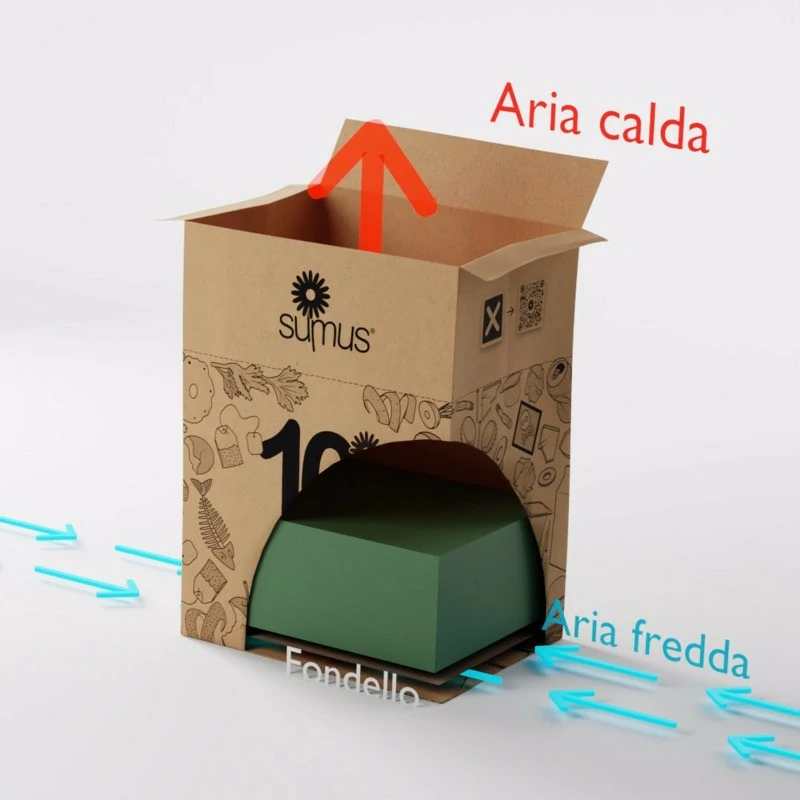
The holes in the walls, bottom and lid create a continuous flow of air. This process, known as' aeration ', has multiple scientifically proven benefits:
- Inhibition of Anaerobic Bacteria: The bacteria responsible for bad smells thrive in the absence of oxygen. Aeration, on the other hand, favors aerobic bacteria, which decompose organic matter without producing malodorous gases.
- Moisture Evaporation: Organic waste consists of more than 80% water. Constant ventilation evaporates a significant part of this water, preventing leachate from forming.
- Weight and Volume Reduction: By evaporating the water, the total weight of the waste can be reduced by up to 30%. Less weight means less effort when carrying the bag.
- Increased Bag Resistance: A drier environment keeps the bag (especially if made of paper) more intact and resistant, minimizing the risk of breakage.
An Intelligent and Eco-friendly Design
In addition to its main function, this dustbin has been designed for practicality and sustainability:
- Ideal Capacity: 10 liters are the perfect size for an average family, enough for 2-3 days of collection without the waste stagnating for too long.
- Sustainable Material: Made with recycled plastic, it is a choice that is good for the environment right from the start of its purchase.
- Maneuverability: Equipped with a sturdy handle that also acts as a lock for the lid, it is easy to carry and empty.
- Easy to clean: The smooth inner surface and sturdy structure make it super easy to rinse.
Sumus Paper Bags: The Perfect Partner
If the dustbin is the heart, Sumus bags they are the lungs of the system. Using the right bag is critical to maximizing the benefits of aeration.
Why Paper Beats Bioplastic (in this system)
Many use Mater-Bi bags or other bioplastics, but for an aerated system, paper is much better. Here's why:
- Maximum Breathability: Paper is a naturally porous material. It allows water vapor to pass through it and disperse into the air through the holes in the dustbin. Bioplastic, while being compostable, is waterproof and creates a 'greenhouse effect' that traps moisture, frustrating the advantages of aeration.
- Wet Strength: It's not plain paper! These bags are made from special Kraft paper with 'moisture resistance'. This means that they can hold wet waste for days without falling apart, as long as the ventilation is working properly.
- Certified Compostability: They fully comply with the UNI EN 13432 standard, so they can be delivered directly to industrial composting plants together with the waste, turning into fertile compost.
Winning Features
- Perfect Size: The 8-liter capacity of the bag fits beautifully in the 10-liter dustbin, leaving just the right edge for a convenient and secure closure.
- Reinforced bottom: Designed not to sag under weight, even when they contain heavier waste such as coffee grounds or watermelon peels.
- Practical Packaging: The pack of 50 pieces guarantees a long battery life.
The Perfect Synergy!
It is the combination of these two elements that creates the magic. La perforated dustbin creates the ideal microclimate, and the paper bag acts like a breathable membrane that allows this microclimate to work. Together, they eliminate odors, liquids and breakages.
Buy the Breakthrough Kit!Comparison Chart: Old System vs. Aerated System
Let's see at a glance the abysmal differences between the traditional method (closed dustbin and bioplastic bag) and our aerated system.
| Feature | Traditional System (Closed Trash Can + Bioplastic Bag) | Ventilated System (Perforated Dustbin + Paper Bag) |
|---|---|---|
| Odour Management | Terrible Anaerobic fermentation produces strong and persistent odors. | excelling Aerobic fermentation does not produce unpleasant odors. |
| Liquid Formation (Leachate) | Elevated Moisture is trapped and accumulates at the bottom. | Absent The moisture evaporates constantly thanks to the air flow. |
| Bag Breakage Risk | Alto The bag is weakened by constant contact with liquids. | Minimal The bag remains drier, stronger and more intact. |
| Hygiene and Cleanliness | Scarce The waste bin needs to be cleaned frequently from leachate. Bacterial proliferation. | Excellent The dustbin stays clean and dry. Environment hostile to bacteria and mold. |
| Weight of Waste | Normal The weight corresponds to that of the scraps inserted. | Reduced The weight is reduced by up to 30% thanks to the evaporation of water. |
| Environmental Sustainability | Buona Use of compostable bioplastics. | excelling Recycled plastic waste bin and paper bags from renewable sources, completely compostable. |
Practical Guide: Tips and Mistakes to Avoid
To get the most out of your new collection system, follow these simple tips.
What to Do (Good Habits)
- Drain very liquid foods: Before throwing away scraps such as herbal tea grounds, soups or very watery fruit, let them drain for a few moments in the sink.
- Wrap the 'specials': For scraps with a particularly strong smell (e.g. fish, garlic, onion), wrap them in a sheet of newspaper before inserting them into the bag. The paper will absorb odors and excess moisture.
- Strategic position: Place the bin in a place with minimal air circulation, not hermetically sealed in a cabinet. This enhances its effectiveness.
- Empty regularly: Even if odors are under control, it is good hygiene practice to empty the bin every 2-3 days to avoid excessive accumulation.
What NOT to Do (Common Mistakes)
- Do not use plastic bags: It seems obvious, but it's the biggest mistake. They block airflow, are not compostable, and create a bad-smelling disaster.
- Do not use bioplastic bags: As explained, they negate the benefits of aeration. Keep them for other uses, but not for this dustbin.
- Do not compact waste: Avoid pressing and squashing the waste in the bag. This reduces space for air to pass through and impairs the aeration process.
- Do not use aggressive detergents: To clean the trash can, all you need is water and a little vinegar or baking soda. Harsh chemicals are useless and polluting.
Frequently Asked Questions (FAQ)
It's Time to Say Goodbye to Wet Problems!
Stop fighting with odors, liquids and dirt on a daily basis. Make a smart, hygienic and sustainable choice for your home and for the environment.
Switch to the aerated collection system and discover the pleasure of recycling done well, without stress and without compromise.
Expert tip: buying them together is the winning move for a complete and guaranteed solution from day one!
Assperr
I Prodotti per te